[ 00 ] Animal re-identification / Research preview
Every animal, a digital identity.
Kyshik recognises individual dogs from a photo of their face, so vaccination teams know which dogs they have already met. The model suggests. A person decides.
- Species
- dogs, first
- First pilot
- rabies vaccination campaign · Nov 2026
- Decision
- human, every time
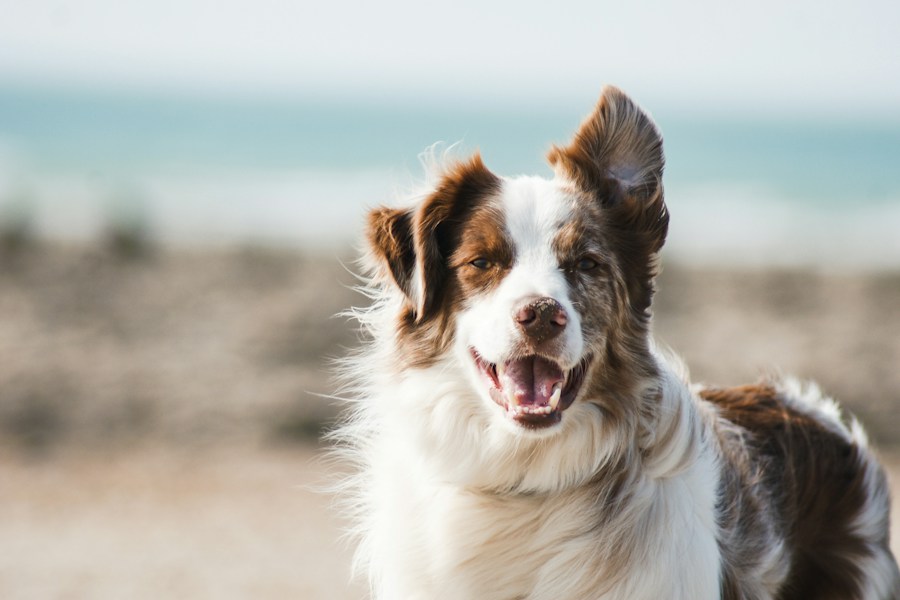
Closest dogs in this campaign · Model v0.3
- KY-00420.91
- KY-00630.64
- KY-00170.41
[ 01 ] Method
From one photo
to a known dog.
Four steps on a volunteer’s phone, with the dog in hand. Each step leaves a record you can check later.
01 / Capture
Photograph the dog
Face first, then the left and right sides, and a nose close-up if the dog holds still. The scan is saved on the phone before anything else happens.
→ works offline
02 / Embed
Turn a face into numbers
The engine converts the face photo into a vector, a numeric fingerprint of that dog’s features, and checks whether the photo is sharp enough to use.
→ photo → embedding + quality
03 / Compare
Find the closest dogs
The vector is compared with reference photos of dogs already in the campaign. The three closest come back with a score from 0.00 to 1.00.
→ top 3 · two decimals
04 / Decide
A person confirms
The volunteer confirms the match, registers a new dog, or sends the scan to Review, where a coordinator compares the photos later.
→ the model never confirms
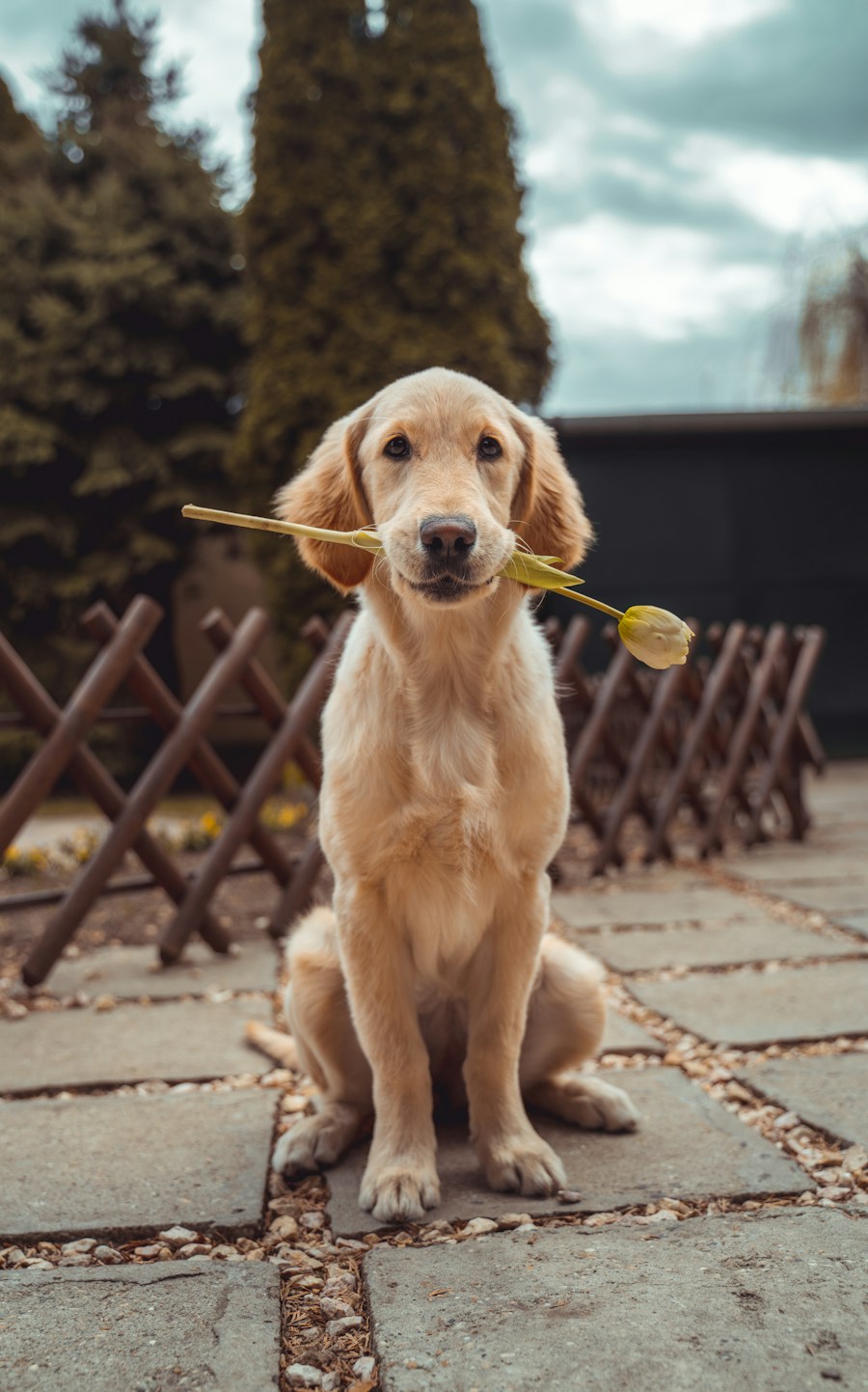
saved on phone
10:42 · GPS ±6 m
Score bands · Default thresholds
< 0.60
Register a new dog
Nothing in the campaign looks close.
0.60 – 0.84
Pick from up to three
The volunteer compares photos side by side.
≥ 0.85
“Is this Simba?”
Yes, no, or not sure. Never automatic.
[ 02 ] Principles
Rules that never bend.
The worst mistake Kyshik could make is an unvaccinated dog counted as vaccinated. Everything below exists to prevent it.
P-01
The AI never decides.
It suggests the closest dogs with scores. A person confirms every identity and answers every vaccination question.
P-02
When unsure, send to Review.
Identity can wait. Vaccination follows the campaign protocol, not the match.
P-03
Nothing is deleted.
A fix is a new log entry. Every identity change records who made it, when and why.
P-04
No scan is ever lost.
Each scan is saved on the phone first. No signal, a crash or a closed app cannot lose it.
P-05
Numbers are calculated.
No one types a total. Every count is computed from the records, the same way every time.
P-06
Private by default.
No owner data is collected. Public pages never show where an animal was found.
[ 03 ] The record
One dog.
Many scans.
Every dog gets a Kyshik ID and a passport. Each scan, one dog held at one time and place, adds a dated line to its history.
- Kyshik ID
- KY-0042, one per real dog
- Scan
- E-1123 · time, GPS, condition
- Suggestion
- saved before any check, never edited
- Decision
- who, role, reason, time
- Vaccinated today?
- Yes / No, never preselected
- Ground truth
- microchip, collar tag, paint mark
Passport · KY-0042
Simba
- 24 Nov 2026E-1123confirmed by volunteer · no need today
- 12 Nov 2026E-1071moved from KY-0091 by coordinator
- 4 Nov 2026E-1009vaccinated · chip matches
[ 04 ] Measures
Numbers that say only what the
data can prove.
Always labelled “of dogs scanned”. Real coverage may be lower, because it only counts the dogs volunteers scanned.
Def. 01
Dogs scanned
Registered dogs with at least one decided scan in the campaign. A dog and its alias count once.
Def. 02
Vaccinated
Dogs scanned with a valid vaccination, including a vaccination card or collar seen, each counted once.
Not measured
Population size
Kyshik does not estimate how many dogs live in an area, and draws no target lines.
| Cell | Scanned | Vaccinated | Coverage of dogs scanned |
|---|---|---|---|
| Cell A | 30 | 25 | 83% |
| Cell B | 24 | 19 | 79% |
| Cell C | 22 | 14 | 64% |
| Total | 76 | 58 | 76% |
[ 05 ] Field notes
Notes on humane field work.
Principles and future plans. They do not claim every idea is already built.
All notes →- EthicsTechnology for protection, not surveillanceWhy counting stray animals should start with privacy, not exact coordinates.→
- TechnologyA visual record instead of public GPSHow repeated photos connect sightings without exposing an animal’s address.→
- CommunitySmall actions that build a reliable recordRepeatable tasks people can do without handling animals.→
- TransparencyPublic statistics should show what the data can proveClear definitions make care counts useful to residents and city teams.→
[ 06 ] Crew
The people behind Kyshik.
Building tools for humane animal records, from Kazakhstan. Күшік means “puppy” in Kazakh.
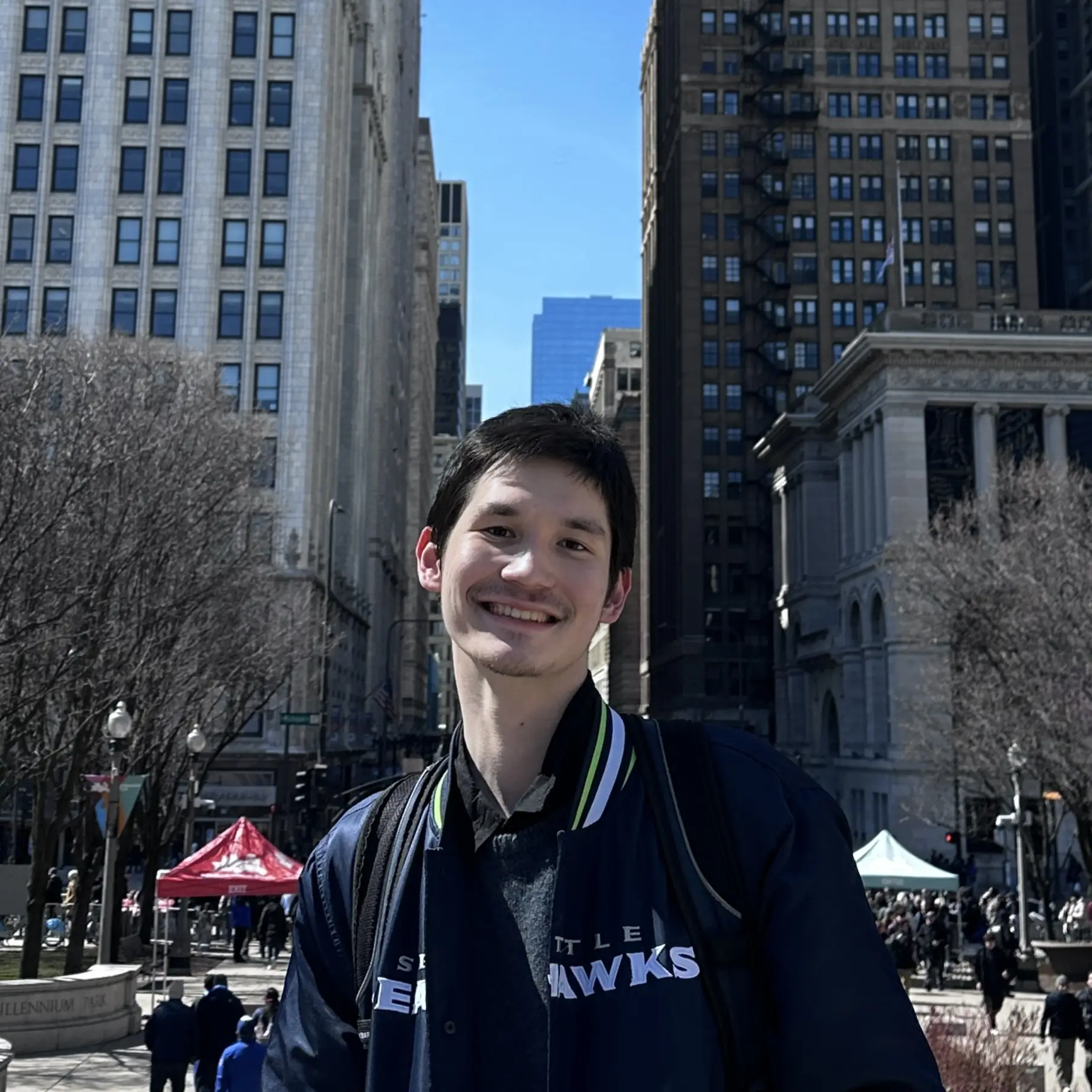 Niyaz M.Co-founder
“У бездомных животных тоже есть имя.”
 Abylay D.Co-founder
“Let’s build tools that help animals.”
 Vlada L.Co-founder
 SabinaCo-founder
[ 07 ] Field beta
Help test Kyshik in the field.
We need people to test photo quality, saved scans and offline use in their area. You never need to approach or handle an animal.
Create an account in the field app, then submit your organization and campaign details. Pilot access is enabled after review.
No sample records are added to your workspace.
Create an accountCoordinators can also open the dashboard. Use the same account in both apps.
Contact
Pilots, partnerships, volunteering, data.
Running a vaccination or sterilisation campaign? We’d like to hear what your teams need.
Contact page ↗- Based in
- Kazakhstan
- Languages
- English · Русский